
Dental health matters. Teeth protect your bite, your confidence, and your overall oral function. When damage occurs, restoring that protection becomes the goal. Dental veneers and dental crowns are two common solutions offered by a private dentist Wilmslow. They may sound similar, but they serve different purposes. Choosing between them depends on the condition of your teeth and the level of defense they need. This article explains their differences and helps you decide which option protects your teeth better.
What You Need to Know About Dental Veneers
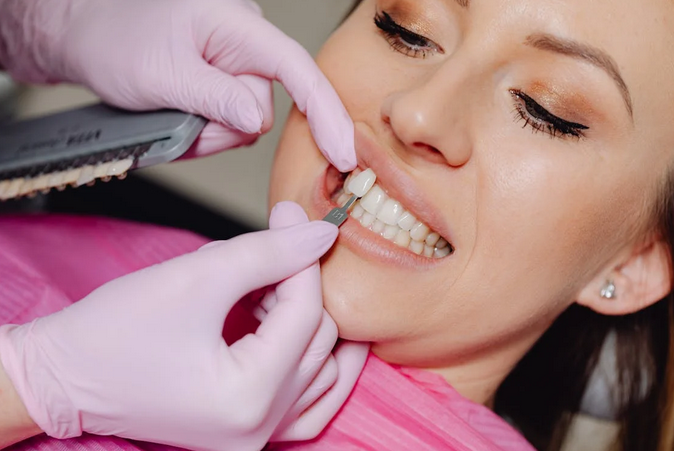
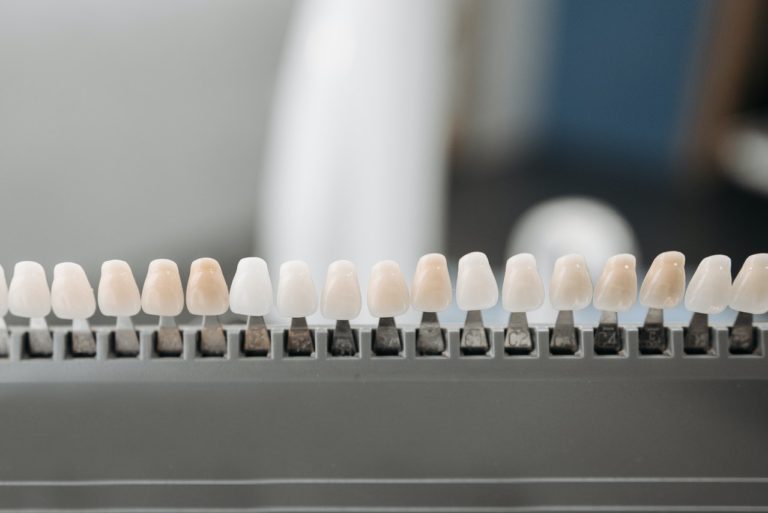
Dental veneers are thin shells made from porcelain or composite resin. They improve appearance by correcting discoloration, minor chips, and small alignment issues. Veneers require less removal of natural tooth structure compared to crowns. Many people choose them for cosmetic reasons. They provide a smooth smile. However, veneers are mainly for front teeth that do not take heavy chewing forces. Veneers also resist staining better than regular enamel. They offer a fresh look that lasts through daily activities.
The Significance of Dental Crowns
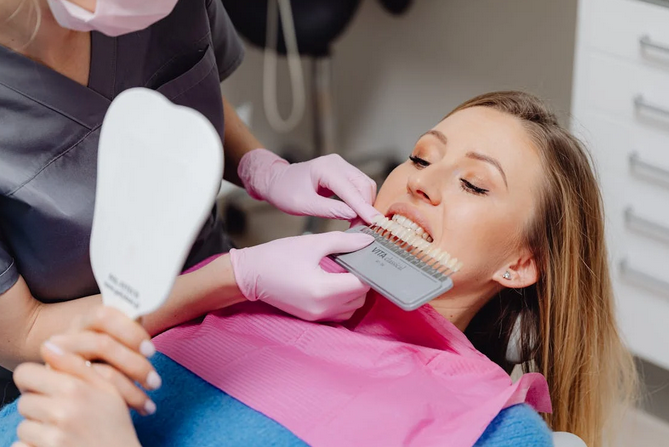
Dental crowns act as full coverage restorations. They cover the entire visible part of a damaged tooth. Crowns are ideal for teeth weakened by decay, large fractures, or after a root canal treatment. They restore both function and protection. Materials can include porcelain, ceramic, zirconia, or metal. Because they cover the whole tooth, crowns provide strength against biting pressure. If your tooth structure is severely compromised, a crown offers a stronger shield. Crowns can also improve appearance while focusing on structural needs. They allow you to chew with confidence every day.
When Veneers Provide Better Protection
Veneers can protect teeth from mild wear and superficial damage. If the enamel has slight erosion, veneers act as reinforcement. They can help stop further surface deterioration. They also work well for restoring confidence if stains are resistant to whitening treatments. Still, veneers are not meant to bear heavy loads. Back teeth experience intense pressure during chewing. A veneer placed there may crack or detach over time. Veneers are best for healthy teeth needing a cosmetic boost rather than structural rescue.
When Crowns Provide Better Protection
Crowns excel in safeguarding weak teeth. A cracked or heavily filled tooth can break under stress. A crown covers and supports what remains of the natural structure. This reduces the risk of further damage. After a root canal, the tooth becomes more brittle. A crown ensures stability. If you grind your teeth, crowns often endure better than veneers. They hold up against constant pressure and prevent breakage. Crowns help restore full function when a tooth is severely damaged.
Differences in Durability and Longevity
Crowns generally last longer than veneers because of their coverage. With proper care, both can last many years. Veneers may chip if used for biting hard foods. Crowns resist impact better. However, porcelain crowns can wear down neighboring teeth slightly more than veneers. Strong habits and oral hygiene influence lifespan for both treatments. Longevity depends on bite forces and diet. Avoiding bad habits helps extend the life of restorations.
Differences in Procedure and Comfort
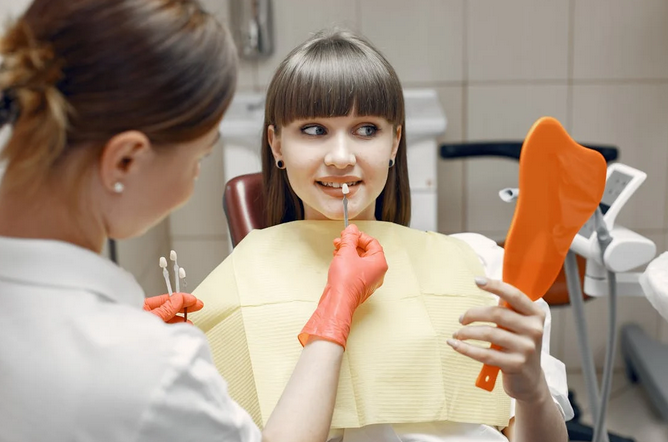
Preparing teeth for veneers usually requires minimal enamel removal. Dentists focus on shaping the front of the tooth. This preserves most of your natural structure. The procedure often feels more comfortable and less invasive. Crowns require more reshaping. This allows room for stronger material around the entire tooth. You might experience temporary sensitivity while waiting for the permanent crown. Once placed, both restorations feel natural for most patients. The comfort of the procedure also depends on sensitivity levels. Dentists use local anesthesia to keep you relaxed throughout.
Cost Considerations for Veneers and Crowns
Costs vary depending on materials, location, and the complexity of your case. Veneers may cost less per tooth, especially when using composite materials. Crowns often cost more overall because of the extensive coverage and materials designed for strength. Insurance may offer better assistance for crowns if the treatment is medically necessary. Veneers are usually considered cosmetic. The best solution balances budget with oral protection and expected results. Considering value and durability together helps make a smart choice. Discuss options clearly with your dental team.
Protection depends on damage severity. Veneers give light defense and improve appearance. Crowns deliver maximum structural support. If your concern is mainly cosmetic and the tooth remains strong, veneers offer a simple and unique upgrade. If the tooth is weak or has been repaired many times, crowns provide the utmost security. Ask your dentist for a full evaluation. They will help ensure you receive the right solution for long-term oral protection. Making informed decisions protects both beauty and function. Your smile deserves reliable care that strengthens your oral health. Every case is different.



+ There are no comments
Add yours