
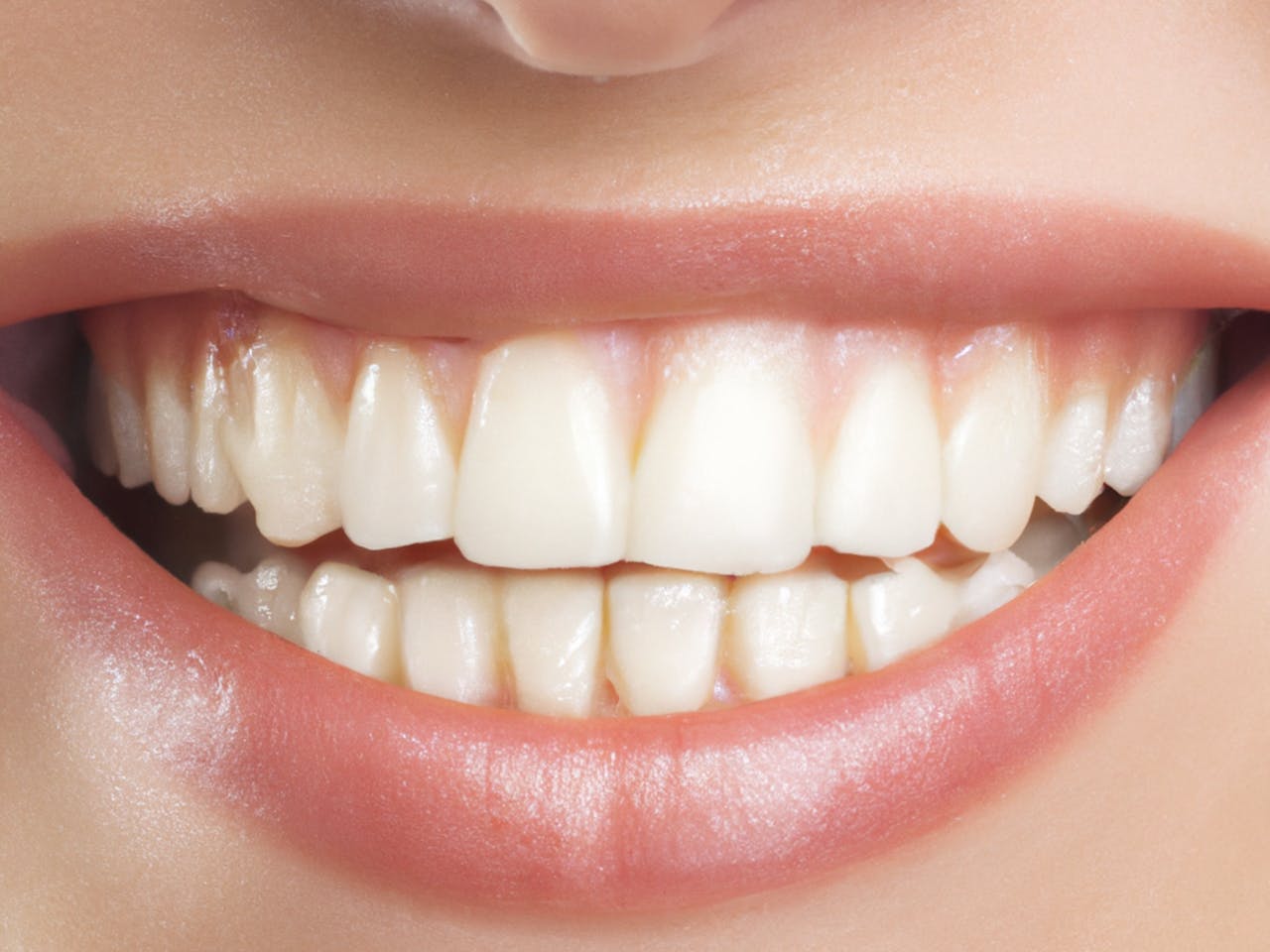
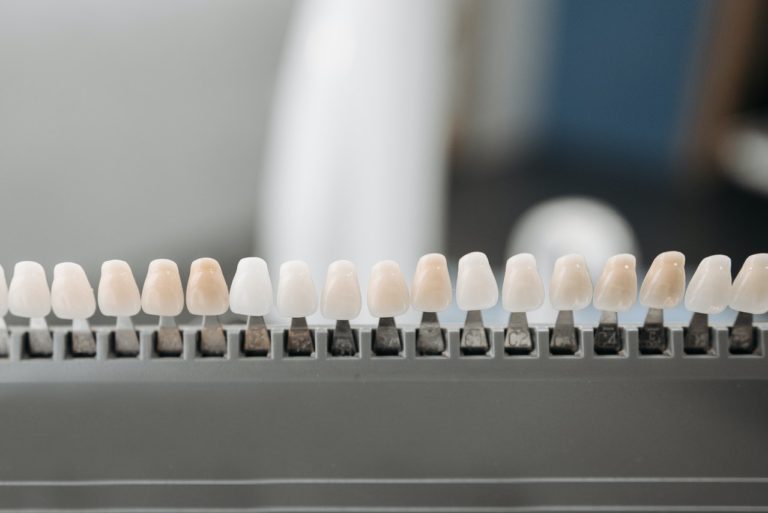
In composite bonding, a tooth-colored resin is applied to restore or improve the look of damaged or worn teeth. Unlike crowns or veneers, bonding is minimally invasive. It preserves most of the natural tooth structure. The material is shaped, hardened with a special light, and polished to match surrounding teeth. Patients in London benefit from expert assessments that determine the most effective bonding approach, ensuring that teeth are not only visually appealing but also functionally strong. Composite bonding London clinics provide advanced solutions for patients looking to restore both the strength and appearance of their teeth.
Why Tooth Strength Matters
 Teeth endure significant pressure daily through chewing and biting. Cracks, chips, or decay can compromise their structural integrity. Weak teeth are more prone to further damage, pain, and infection. Restoring strength helps maintain oral function and prevents future dental problems. Composite bonding addresses these vulnerabilities effectively, offering a solution.
How Bonding Restores Function
Composite bonding fills cracks, chips, and gaps, reinforcing the tooth’s surface. It restores proper bite alignment, making chewing more efficient and comfortable. By rebuilding damaged areas, bonding reduces uneven pressure on surrounding teeth. This ensures that the mouth works harmoniously, minimizing strain on the jaw and reducing the risk of additional fractures. Patients often notice immediate improvement in both comfort and functionality.
How to Prevent Further Damage
Composite bonding acts as a protective layer over vulnerable areas. It seals small cracks and gaps that could harbor bacteria and lead to decay. By strengthening weakened spots, bonding reduces the likelihood of chips spreading or teeth breaking under pressure. This preventive aspect is particularly important for patients with teeth that are prone to wear or minor trauma. Regular maintenance and good oral hygiene further ensure the durability of the bonded teeth.
How It Enhances Confidence and Comfort

Beyond physical restoration, composite bonding improves confidence. Damaged or discolored teeth can affect social interactions and self-esteem. Repairing them not only restores strength but also creates a natural, appealing appearance. Patients often feel more comfortable eating, speaking, and smiling after treatment. This psychological boost complements the functional benefits, supporting overall oral wellness.
Long-Term Care and Maintenance
Composite bonding is durable but requires proper care to maintain its effectiveness. Avoiding excessive force on bonded teeth, such as chewing hard objects, helps prevent damage. Regular brushing, flossing, and dental checkups are essential. With attentive care, bonded teeth can last many years, providing the utmost benefit in both appearance and function. Patients who follow their dentist’s advice can enjoy lasting strength and improved oral health.
Composite bonding is a versatile and effective solution for restoring tooth strength and function. It reinforces weakened teeth, repairs damage, and improves bite efficiency, all while enhancing appearance. The procedure offers a unique combination of cosmetic and functional benefits, allowing patients to regain comfort, confidence, and oral health. With proper care, composite bonding ensures long-term protection and performance, making it an invaluable tool in modern dentistry.



+ There are no comments
Add yours