
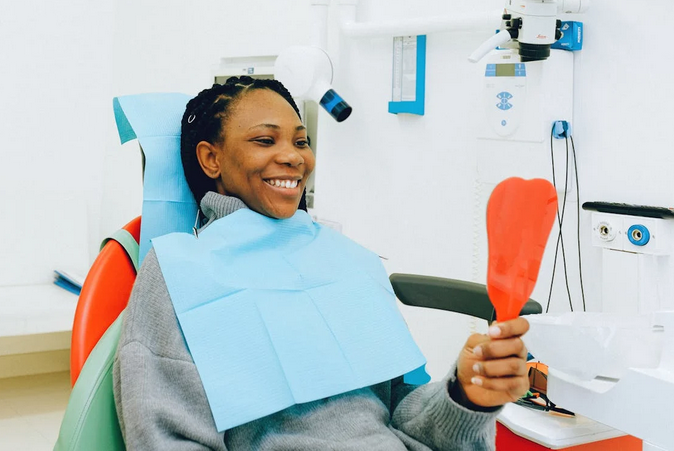
Teeth whitening has become one of the most popular cosmetic dental treatments, offering a brighter smile and increased confidence. However, many people considering the procedure often wonder how long the results will last. While teeth whitening Manchester can deliver noticeable improvements, the longevity of those results depends on several factors, including lifestyle habits, the type of whitening treatment used, and ongoing dental care. Understanding what influences whitening outcomes helps set realistic expectations and guides people in maintaining their results for as long as possible.
The Role of Treatment Types
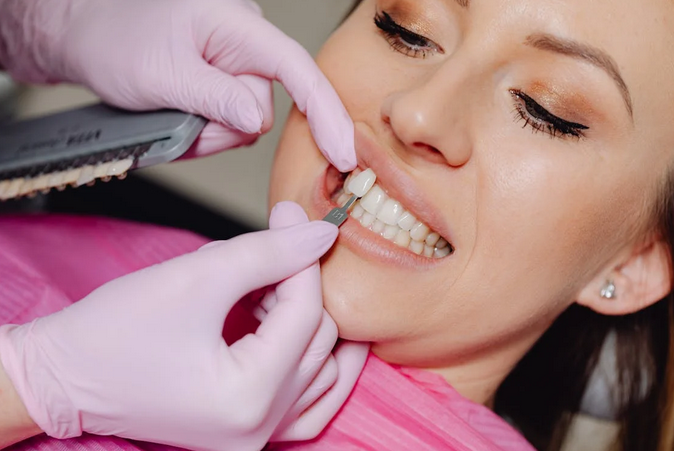
Not all whitening methods deliver the same results or duration. Professional whitening treatments performed by dentists generally last longer because they use stronger bleaching agents and advanced techniques. These results may remain visible for up to a year or more with proper care. At-home whitening kits, while more affordable, tend to provide shorter-lasting effects, often lasting just a few months. Whitening toothpastes and strips can help with mild discoloration, but usually need consistent use to maintain even modest results.
Lifestyle Habits That Always Matter
What you eat and drink after whitening plays a major role in how long your smile stays bright. Beverages such as coffee, tea, red wine, and soda are common culprits for staining teeth, while foods rich in artificial coloring can also dull results over time. Smoking or chewing tobacco is another factor that dramatically reduces the longevity of whitening. People who limit these habits tend to enjoy whiter teeth for longer periods, while those with frequent exposure to stain-causing substances may see results fade more quickly.
The Importance of Oral Hygiene
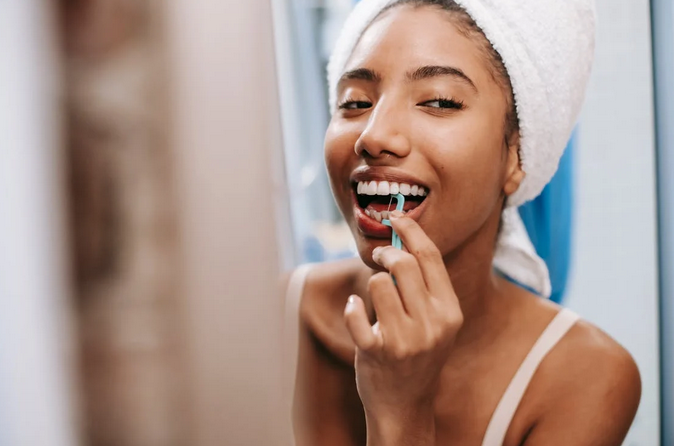
Regular dental care is essential for maintaining whitening results. Brushing twice daily, flossing, and scheduling professional cleanings not only keep teeth healthy but also help preserve their brightness. Poor oral hygiene allows plaque and tartar to build up, which can lead to discoloration. On the other hand, consistent care slows down the fading process and makes touch-up treatments more effective. A simple yet disciplined oral care routine often determines whether whitening results last for months or extend to over a year.
Touch-up Treatments for Maintenance
Whitening is not permanent, but maintenance treatments can extend results significantly. Many dentists recommend periodic touch-ups, either with professional treatments or custom at-home kits. The frequency of these sessions depends on the individual’s habits and natural enamel shade, but they are often needed every six months to a year. These touch-ups refresh the brightness of the teeth without requiring a full whitening session, making them a convenient and cost-effective way to keep a smile looking fresh.
Individual Factors That Influence Results
Not everyone experiences the same duration of whitening results because individual factors come into play. The natural shade of a person’s teeth, the thickness of enamel, and how easily teeth absorb stains can all affect outcomes. Younger patients often enjoy longer-lasting results since enamel is typically stronger, while older patients may see quicker fading due to enamel thinning over time. Genetics, overall oral health, and even saliva composition can all influence how well teeth maintain their whitened appearance.
Teeth whitening can significantly enhance the appearance of a smile, but the results are not permanent. Depending on the type of treatment, lifestyle choices, and oral hygiene practices, whitening can last anywhere from a few months to over a year. Professional treatments generally last longer, but all whitening benefits fade eventually without proper care. By avoiding stain-causing habits, practicing good oral hygiene, and scheduling touch-up treatments, individuals can extend the brightness of their teeth and enjoy a confident smile for much longer.


+ There are no comments
Add yours