Dental Veneers vs. Crowns: Which Option Protects Your Teeth Better?
Estimated read time 4 min read

Dental health matters. Teeth protect your bite, your confidence, and your overall oral function. When damage occurs, restoring that protection becomes the goal. Dental veneers and dental crowns are two common solutions offered by a private dentist Wilmslow. They may sound similar, but they serve different purposes. Choosing between them depends on the condition of your teeth and the level of defense they need. This article explains their differences and helps you decide which option protects your teeth better.

What You Need to Know About Dental Veneers

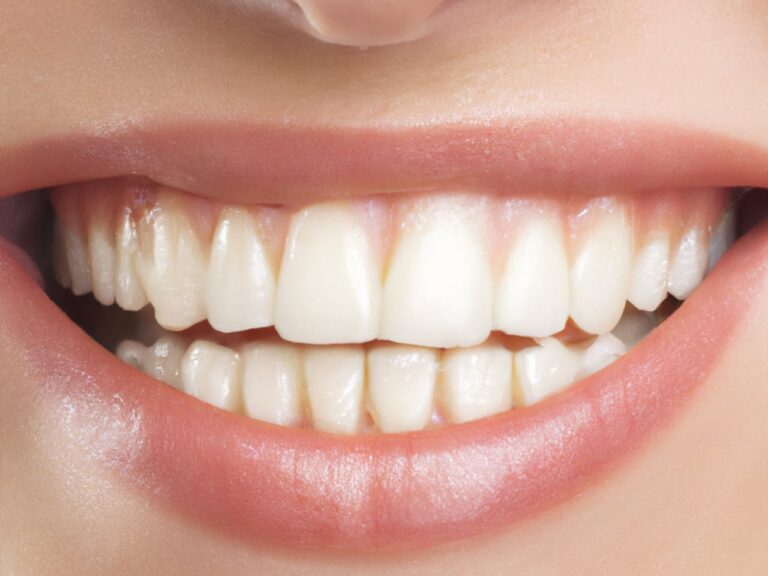
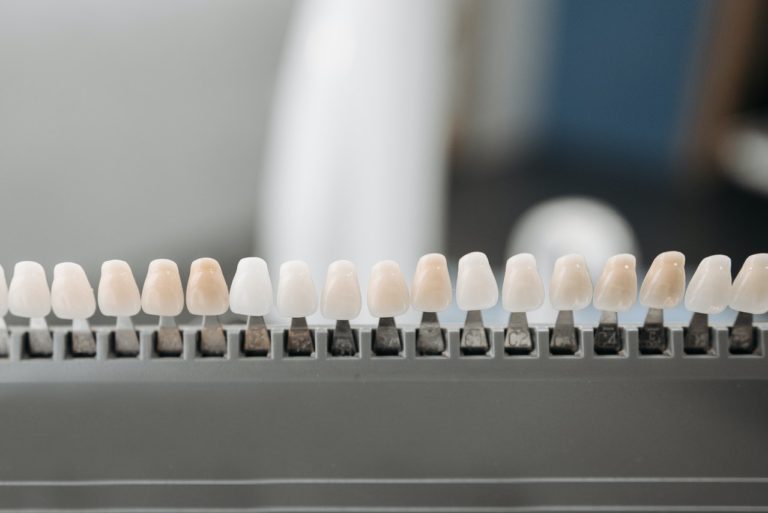
Dental veneers are thin shells made from porcelain or composite resin. They improve appearance by correcting discoloration, minor chips, and small alignment issues. Veneers require less removal of natural tooth structure compared to crowns. Many people choose them for cosmetic reasons. They provide a smooth smile. However, veneers are mainly for front teeth that do not take heavy chewing forces. Veneers also resist staining better than regular enamel. They offer a fresh look that lasts through daily activities.

The Significance of Dental Crowns
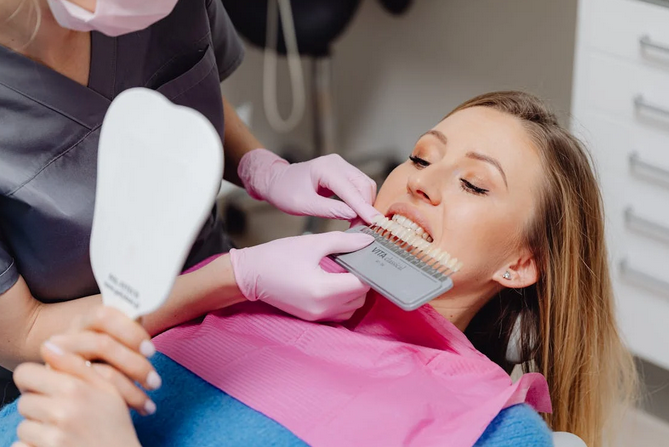
crown

Dental crowns act as full coverage restorations. They cover the entire visible part of a damaged tooth. Crowns are ideal for teeth weakened by decay, large fractures, or after a root canal treatment. They restore both function and protection. Materials can include porcelain, ceramic, zirconia, or metal. Because they cover the whole tooth, crowns provide strength against biting pressure. If your tooth structure is severely compromised, a crown offers a stronger shield. Crowns can also improve appearance while focusing on …
How Long Do Teeth Whitening Results Actually Last?

Estimated read time 3 min read

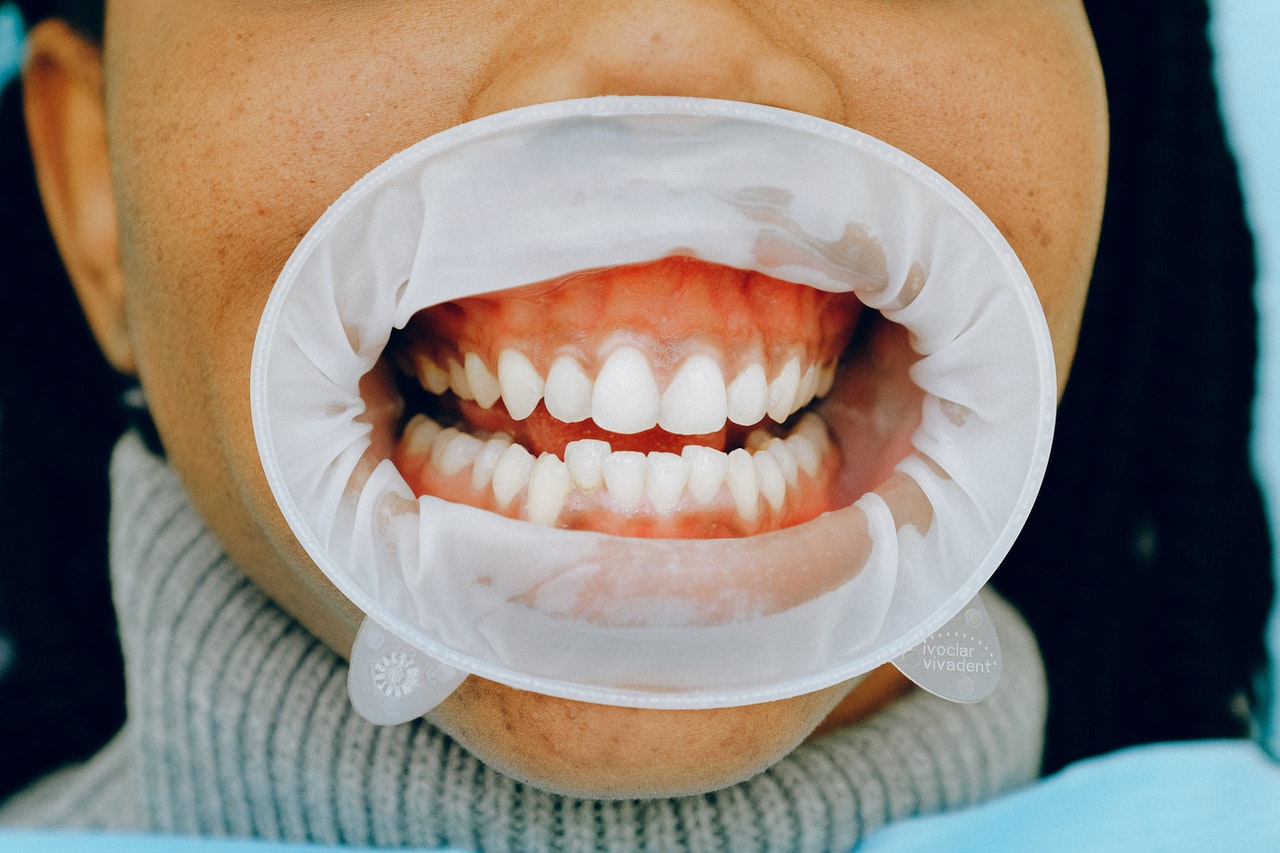
Teeth whitening has become one of the most popular cosmetic dental treatments, offering a brighter smile and increased confidence. However, many people considering the procedure often wonder how long the results will last. While teeth whitening Manchester can deliver noticeable improvements, the longevity of those results depends on several factors, including lifestyle habits, the type of whitening treatment used, and ongoing dental care. Understanding what influences whitening outcomes helps set realistic expectations and guides people in maintaining their results for as long as possible.

The Role of Treatment Types

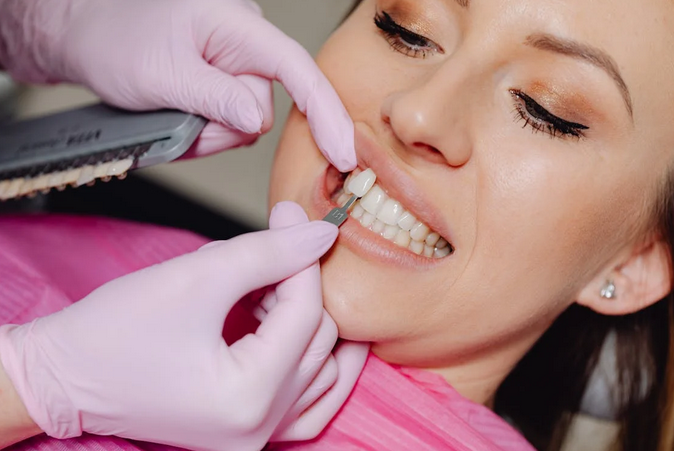
Not all whitening methods deliver the same results or duration. Professional whitening treatments performed by dentists generally last longer because they use stronger bleaching agents and advanced techniques. These results may remain visible for up to a year or more with proper care. At-home whitening kits, while more affordable, tend to provide shorter-lasting effects, often lasting just a few months. Whitening toothpastes and strips can help with mild discoloration, but usually need consistent use to maintain even modest results.

Lifestyle Habits That Always Matter

What you eat and drink after whitening plays a major role in how long your smile stays bright. Beverages such as coffee, tea, red wine, and soda are common culprits for staining teeth, while foods rich in artificial coloring can also dull results over time. Smoking or chewing tobacco is another factor that dramatically reduces the longevity of whitening. People who limit these habits tend to enjoy whiter teeth for longer periods, while those with frequent exposure …

The Importance of Good Oral Health

Estimated read time 3 min read

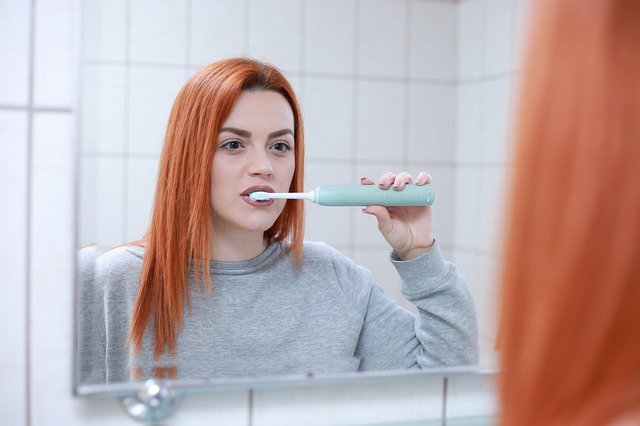
Bad oral hygiene can lead to many problems, including tooth decay and gum disease. Not only is it essential for people to brush their teeth twice per day, but they also need to floss at least once per day. Dentists recommend that patients see them every six months for regular checkups and cleanings. There are many dental clinics that offer different services. Here is the importance of good oral health.

Affects Your Overall Health

Good oral hygiene is not just important for your teeth and gums – it’s also important for your overall health. Poor oral hygiene has been linked to several health problems, including heart disease, stroke, and diabetes. So make sure you are brushing and flossing regularly and see your dentist every six months.

brushing

Improves Your Appearance

Another benefit of good oral hygiene is that it can improve your appearance. Poor oral hygiene can lead to bad breath, yellow teeth, and swollen gums. By brushing and flossing regularly, you can keep your teeth looking their best. This turns off many people from kissing someone with bad oral hygiene.

Detects Oral Diseases

Good oral hygiene is essential because it can help prevent cavities and other oral diseases. By brushing and flossing, you can better detect early signs of dental problems such as plaque buildup on the teeth or bleeding gums. Both could lead to tooth decay or gum disease if left untreated. Learning more about how proper oral hygiene can improve your overall health and appearance – and help