How Composite Bonding Can Restore Tooth Strength and Function
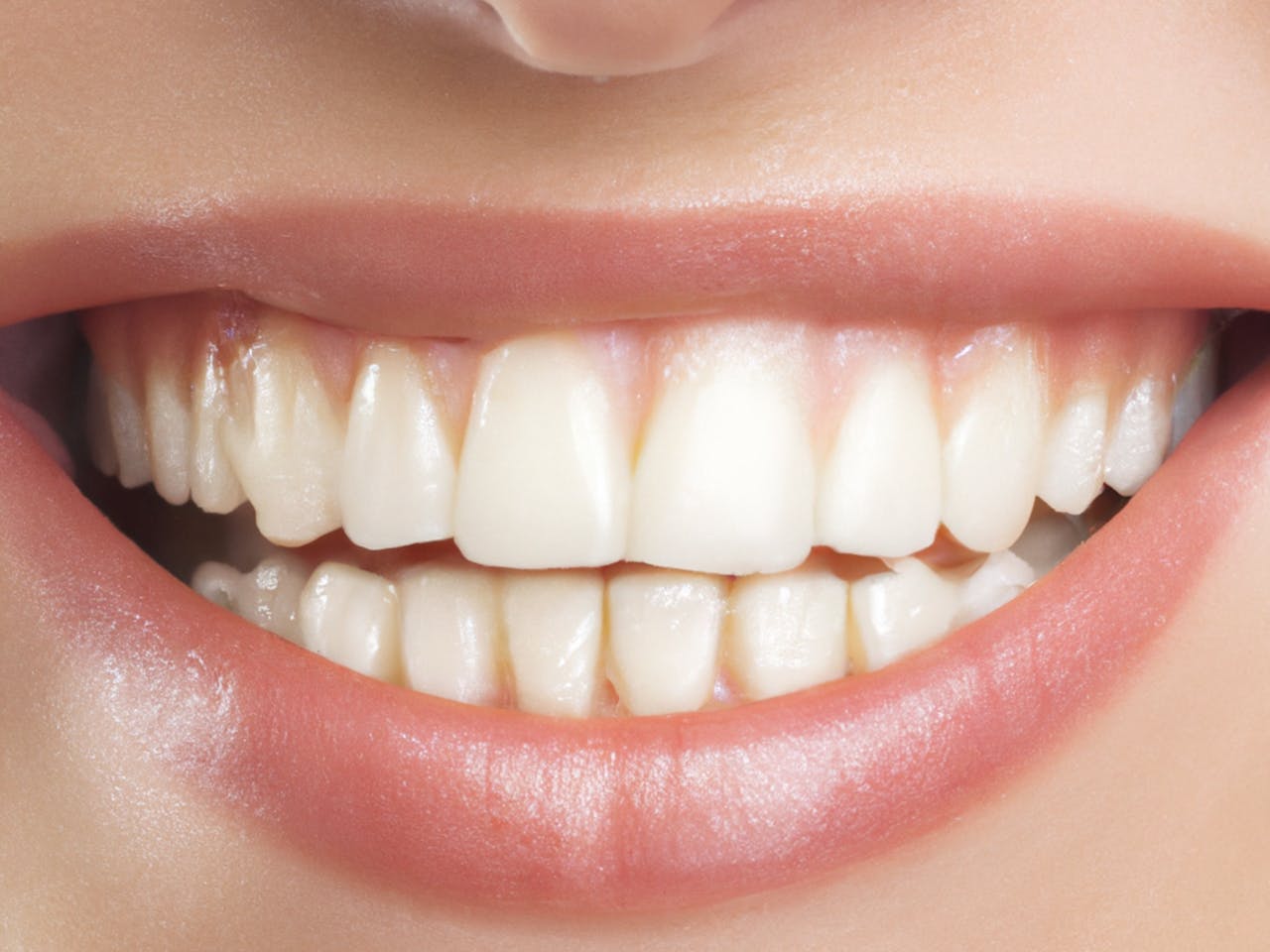
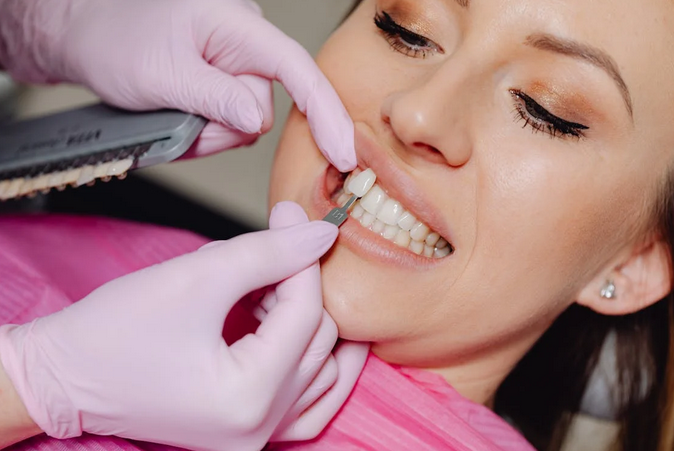
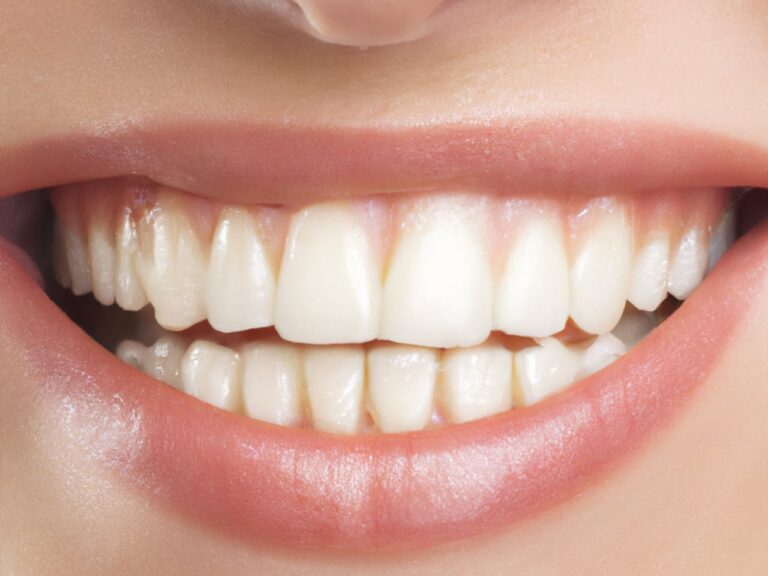
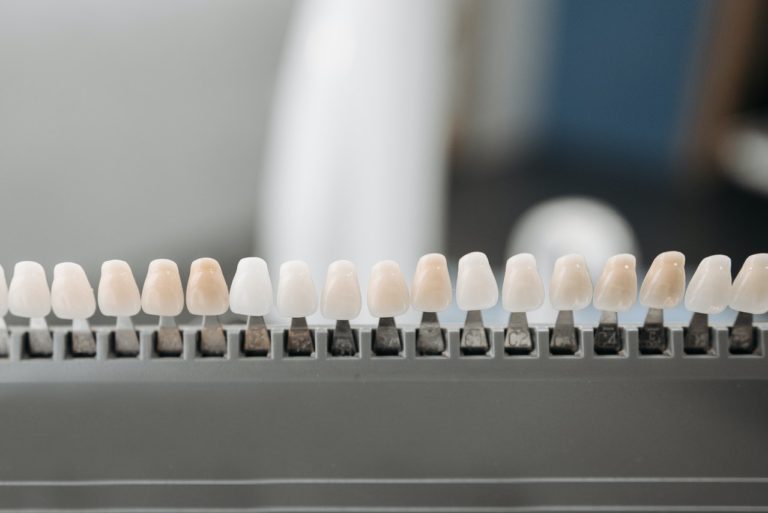
In composite bonding, a tooth-colored resin is applied to restore or improve the look of damaged or worn teeth. Unlike crowns or veneers, bonding is minimally invasive. It preserves most of the natural tooth structure. The material is shaped, hardened with a special light, and polished to match surrounding teeth. Patients in London benefit from expert assessments that determine the most effective bonding approach, ensuring that teeth are not only visually appealing but also functionally strong. Composite bonding London clinics provide advanced solutions for patients looking to restore both the strength and appearance of their teeth.
Why Tooth Strength Matters
 Teeth endure significant pressure daily through chewing and biting. Cracks, chips, or decay can compromise their structural integrity. Weak teeth are more prone to further damage, pain, and infection. Restoring strength helps maintain oral function and prevents future dental problems. Composite bonding addresses these vulnerabilities effectively, offering a solution.
How Bonding Restores Function
Composite bonding fills cracks, chips, and gaps, reinforcing the tooth’s surface. It restores proper bite alignment, making chewing more efficient and comfortable. By rebuilding damaged areas, bonding reduces uneven pressure on surrounding teeth. This ensures that the mouth works harmoniously, minimizing strain on the jaw and reducing the risk of additional fractures. Patients often notice immediate improvement in both comfort and functionality.
How to Prevent Further Damage
Composite bonding acts as a protective layer over vulnerable areas. It seals small cracks and gaps that could harbor bacteria and lead to decay. By strengthening weakened spots, bonding reduces …